Engine Introduction
Role of the Engine
Power is needed to motor a vehicle and a vehicle’s engine is a powering system which converts fuel into energy to rotate its wheels.
Engine Types
Gasoline Engine
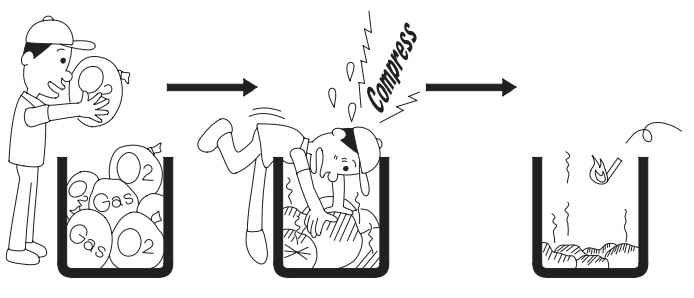
A gasoline engine compresses gasoline and air into an air-fuel mixture and uses electric
sparks to ignite the mixture. Gasoline engines are compact & lightweight and engine-emitted vibration and noise are minimal. For this reason, passenger-carrying vehicles primarily utilize the gasoline engine.
Diesel Engine
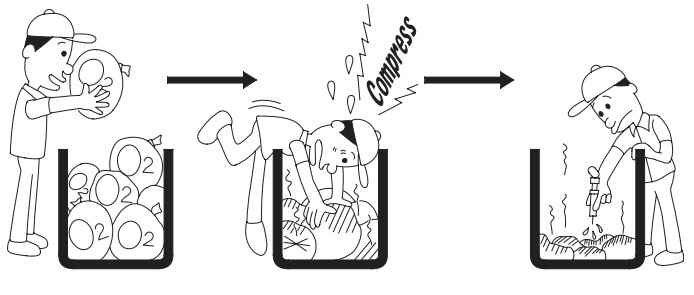
A diesel engine compresses and heats air to high temperatures and then injects fuel into the compressed hot air, setting off natural combustion. Diesel fuel is cost-economical and is the type of engine primarily used in Europe. In the past, the diesel engine lagged behind the gasoline engine in terms of vibration, noise and acceleration but this has been greatly
improved upon in recent years.
Hybrid System (Engine)
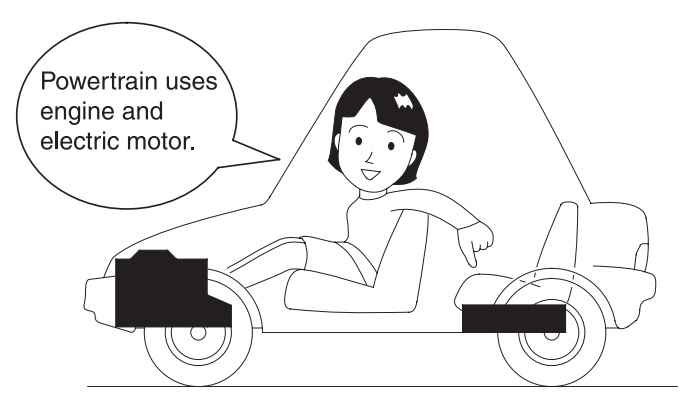
A hybrid system combines 2 or more sources of power. The term ‘hybrid system’ is generally used to describe the combination of an electric motor and a gasoline engine, which realizes
high fuel efficiency. Honda utilizes the hybrid system in the Insight and the Civic.
Basic Operation of Engine
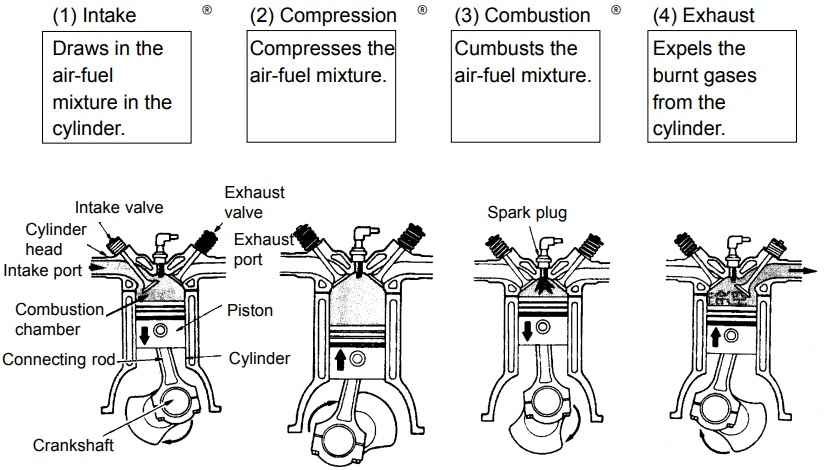
To operate the engine continuously, the following processes should be performed sequentially and repeatedly.
Classification of Engine
1. By fuel
- Gasoline (petrol)
Used for gasoline engines. - Diesel fuel
Used for diesel engines.
2. By cylinder head (valve mechanism) arrangement
- SOHC (Single over head camshaft)
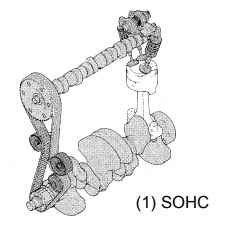
- DOHC (Double over head camshaft)
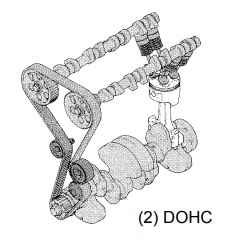
3. By cylinder arrangement
- In-line, 4- (or 5-) cylinder
Four (or five) cylinders are arranged in a straight line parallel to the crankshaft.
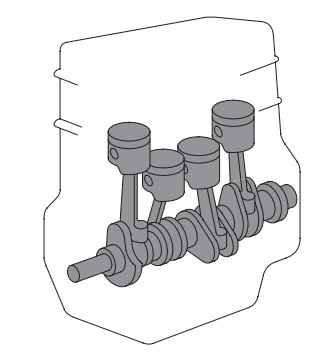
- V-6 cylinder
Six cylinders are arranged in two planes which form a “V” with the crankshaft at the
bottom. Each of these planes is referred to as “bank”, and each bank contains three
cylinders.
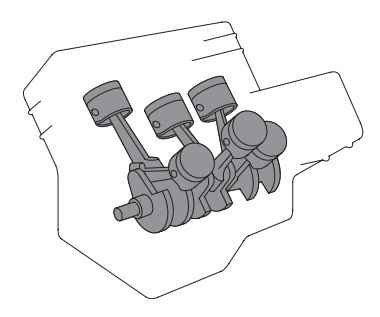
4. By fuel system
- Carburetor
The carburetor makes the gasoline into mist conditon and mixes it to the air. It is rarely
used in the current models. - Fuel injection system (PGM-FI)
Based on the engine speed and intake air pressure, a computer calculates the
necessary amount of fuel and let the fuel injector inject the fuel. The computer not only
calculate the amount of fuel but also performs the overall control of the engine.
5. By ignition system
- Distributor
This system has one ignition coil, and a distirbutor distributes the high voltage current
generated by the ignition coil to each spark plug in the correct timing. - Direct ignition system
An ignition coil is mounted on each spark plug and the high voltage current directly
flows to the spark plug.
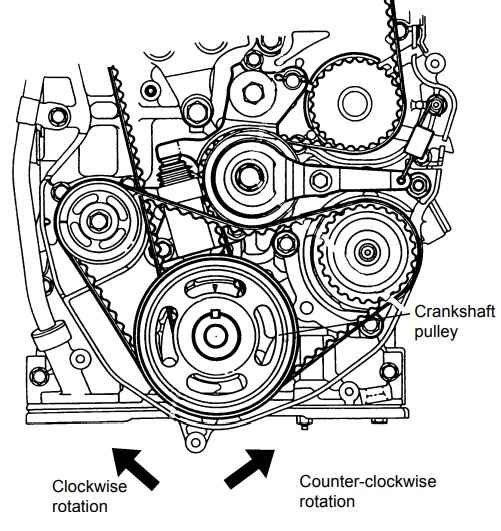
6. By engine rotating direction
The direction of turning of the engine (or more specifically, the crankshaft) is not identical
for all Honda engines. By convention, engine rotation directions are defined as the
direction of crankshaft rotation when viewed from the crankshaft-pulley side.
Basic Construction of Engine
A gasoline engine consists of:
- Valve train
- Power train
- Lubrication system
- Cooling system
- Fuel system
- Intake system
- Exhaust system
- Engine electrical system
- Starting system
- Charging system
- Ignition system
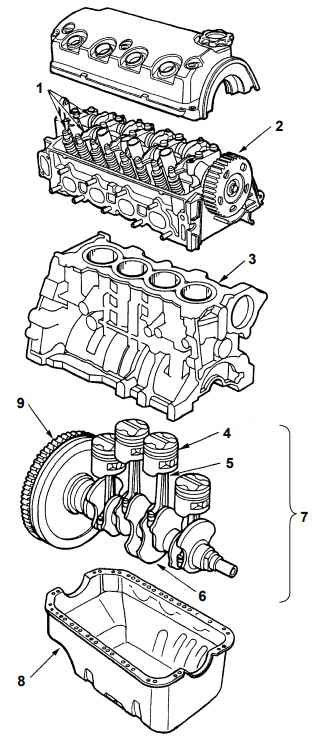
- Valve train
- Cylinder head
- Cylinder block
- Piston
- Connecting rod
- Crankshaft
- Power train
- Oil pan
- Flywheel
Valve Train
Located inside the cylinder head, a valve train contains intake valves which control the intake
of the air/fuel mixture into the cylinder, exhaust valves which control the discharge of burned
gas from the combustion chamber, and either one or two camshafts. These camshafts are
driven by the crankshaft through the timing belt or the timing chain.
Power Train
The power train comprises the pistons, the connecting rods, and the crankshaft which
generate rotary motion within the engine in addition to a flywheel which is used to ensure that
this rotation is smooth and stable. All of these components are located within the cylinder
block and oil pan.
Lubrication System
Driven by the crankshaft, the lubrication system’s oil pump provides a supply of lubricating oil
to all of the engine’s sliding or rotating sections.
Cooling System
The engine uses water as a coolant so that its temperature may be maintained within a
suitable range. The purpose of the cooling system is to circulate this water to all sections of
the engine to cool down. Water which has been heated up by the engine flows into radiator
and cooled down, then return to the engine.
Fuel System
The fuel system functions to supply fuel to the engine for the purpose of combustion.
Intake System
The air which is required in order that combustion may proceed is supplied by the intake
system.
Exhaust System
An exhaust system is fitted so that burnt gasses which are formed during combustion may be
discharged to the outside of the engine. However, because these gasses contain
compounds which are both poisonous and harmful to the environment, a wide range of
different sub-systems are fitted so that as much of these compounds as possible may be
removed from the exhaust before it is released to the outside air. Furthermore, a number of
other components are contained within this system for the purpose of reducing the levels of
exhaust noise.
Engine Electrical System
All of the engine’s electrical components are grouped into one of the following three sections
of the overall engine electrical system:
- Starting system: As its name suggests, the purpose of this system is to ensure that the
automobile can start correctly. - Charging system: This system generates electrical power to drive both the electrical
components which are used by the engine itself and the various other electrical
components which are fitted to the vehicle. - Ignition system: This system functions to ignite the air/fuel mixture which is contained
within the engine’s combustion chambers.
Post Comment